A roof is one of the most important features of your home. It provides shelter, protects against the elements, and helps maintain your home’s energy efficiency. However, like any other part of your home, it requires regular maintenance to ensure it continues to perform its job effectively. One of the most crucial aspects of roof care is scheduling regular roof inspections. Neglecting this task can lead to serious, expensive problems down the road, while regular inspections can save you time, money, and stress in the long run.
In this blog post, we’ll explore the importance of regular roof inspections, the benefits they bring, and why they are essential for the longevity of your roof and the safety of your home.
1. Catch Issues Early
Roof issues often start small. A loose shingle, a tiny crack in the flashing, or a minor leak might not be noticeable at first, but they can grow into significant problems over time if left unaddressed. Regular roof inspections allow professional roofers to identify these minor issues early before they escalate into more expensive and extensive damage.
For example, a small leak can lead to water damage in your attic, mold growth, and even damage to your walls and ceilings. If caught early during an inspection, a small leak can usually be repaired for a fraction of the cost it would take to fix widespread water damage.
2. Prevent Costly Repairs
As mentioned, regular roof inspections can catch minor issues before they become major problems. By fixing small problems early, you can avoid the cost of large, expensive repairs or even a full roof replacement.
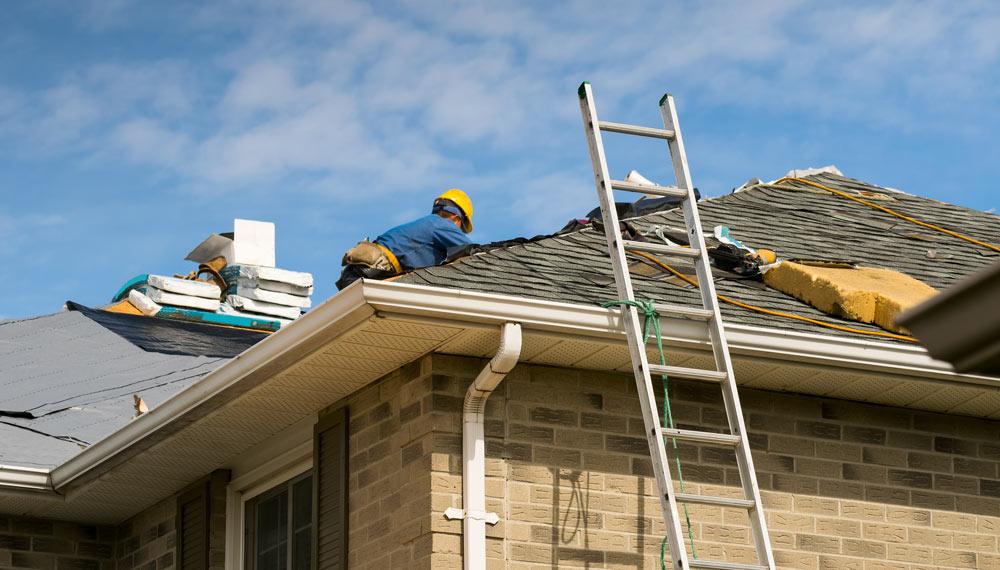
For instance, if an inspection identifies a small area of missing shingles, the roofer can replace them before water infiltrates the roof and causes a leak. The cost of replacing a few shingles is much less than the cost of repairing a water-damaged ceiling or structure. Over time, these small maintenance steps can add up to significant savings, keeping your roof in good condition without the need for expensive emergency repairs.
3. Extend the Lifespan of Your Roof
The average lifespan of a roof varies depending on the material. Asphalt shingles, for example, typically last between 20-30 years, while metal roofs can last 40-70 years. However, regular inspections and maintenance can help extend the life of your roof, ensuring it performs at its best for as long as possible.
During an inspection, a professional can check for signs of wear and tear that may indicate the roof is nearing the end of its lifespan. They can recommend preventive measures, such as repairs, cleaning, or sealing, to help prolong the life of your roof. A well-maintained roof can last much longer than one that is neglected, providing better value for your investment.
4. Ensure Your Roof’s Warranty Stays Valid
Many roof warranties require that homeowners schedule regular inspections and maintenance to keep the warranty valid. Neglecting regular inspections could potentially void the warranty, leaving you without coverage if a significant issue arises.
For example, if your roof suffers significant damage due to an undiscovered issue that could have been caught in an inspection, the manufacturer may refuse to cover the repairs under the warranty. By scheduling regular inspections, you ensure that your warranty remains intact, providing you with peace of mind in the event of a larger issue.
5. Maintain Energy Efficiency
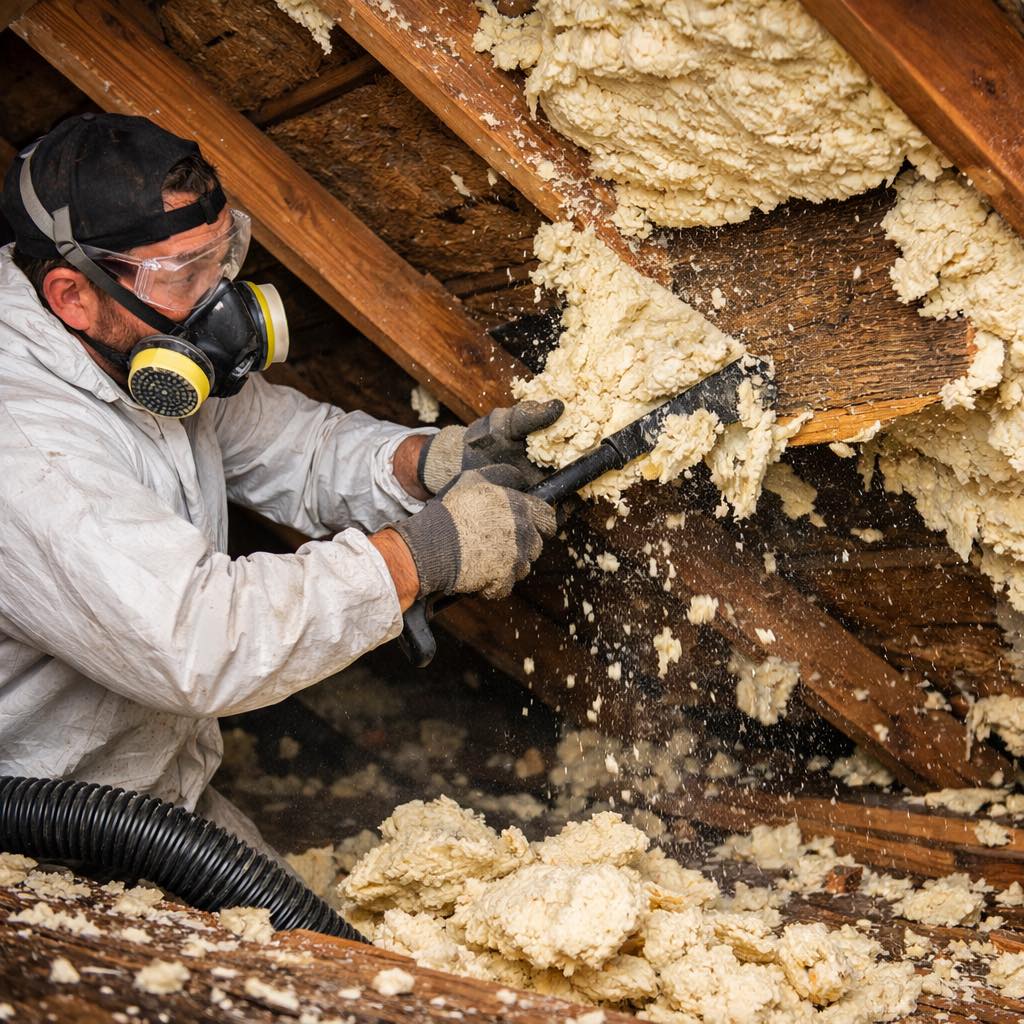
Your roof plays a significant role in maintaining the energy efficiency of your home. A well-maintained roof helps regulate the temperature inside your home, keeping it warm in the winter and cool in the summer. However, a roof with cracks, holes, or poor insulation can lead to energy loss, causing your heating and cooling systems to work harder than necessary.
During a roof inspection, a professional can identify areas of heat loss, check for proper insulation, and recommend improvements. This not only ensures your home stays comfortable year-round, but it can also lower your energy bills. An energy-efficient home is more environmentally friendly and cost-effective in the long run.
6. Protect Your Home’s Structural Integrity
The roof is integral to your home’s structural integrity. If a roof begins to fail, it can have a domino effect on the rest of the house. Leaks and water infiltration can damage your attic, walls, insulation, and even the foundation of your home.
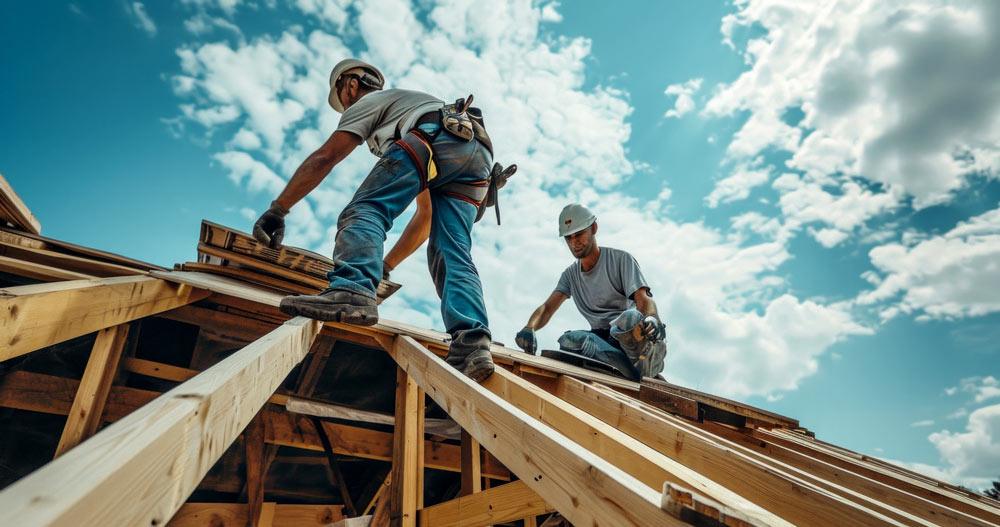
During an inspection, roofers don’t just check the roof’s surface. They also inspect the structural components, such as the trusses and decking, to ensure everything is sound. If they spot signs of damage or weakness, they can recommend repairs before the structural integrity of your home is compromised.
By maintaining your roof through regular inspections, you help protect your home from more extensive damage that could threaten its overall safety and stability.
7. Prepare for Severe Weather
Roof inspections are particularly important before the onset of harsh weather. If you live in an area prone to heavy rain, snow, or high winds, it’s essential to make sure your roof is ready to withstand these elements.
An inspection before storm season can help identify areas of weakness, such as loose shingles or compromised flashing, that could be more susceptible to wind or water damage. The inspector can recommend any necessary repairs or reinforcements, ensuring that your roof is in its best shape to protect your home.
Additionally, regular roof inspections help prevent damage during seasonal changes. For instance, after the winter months, roofing materials might suffer from ice damming or the freeze-thaw cycle, and an inspection can catch this type of damage early.
8. Peace of Mind
One of the most significant benefits of regular roof inspections is the peace of mind they provide. Knowing that your roof is in good condition can alleviate concerns about unexpected leaks or major repairs. It allows you to enjoy your home without constantly worrying about the integrity of the roof overhead.
Furthermore, when issues are caught early, you can plan and budget for repairs before they become urgent. This removes the stress of emergency repairs, which can often come with high costs and rushed decisions.
9. Professional Insight and Expert Advice
While homeowners can sometimes spot obvious issues with their roofs, it takes a trained eye to thoroughly inspect and assess the condition of a roof. Professional roofers have the knowledge, experience, and equipment to identify hidden problems that may not be visible to the untrained eye.
During an inspection, the roofer can provide expert advice on roof maintenance and whether certain repairs are necessary or if the roof can wait. They can also recommend improvements or upgrades, such as adding extra insulation, changing ventilation systems, or replacing damaged materials to improve the roof’s longevity and performance.
Conclusion
Regular roof inspections are an essential part of home maintenance. They not only help you catch small issues early, preventing costly repairs, but they also extend the lifespan of your roof, ensure it remains energy-efficient, and protect your home’s structural integrity. Regular inspections also give you peace of mind, knowing your roof is in good condition and that you are taking the necessary steps to maintain its protection.
Scheduling annual roof inspections and after major storms is a small investment that pays off in the long run by saving you from larger, more expensive problems. So, whether you’re dealing with minor wear and tear or just want to ensure your roof is in top shape, make sure to prioritize regular roof inspections. Your home—and your wallet—will thank you.